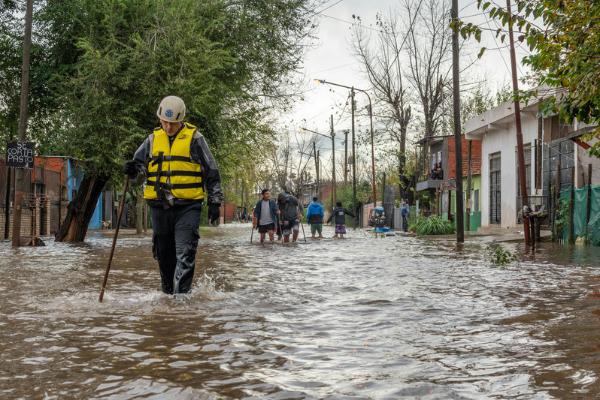
9 Flood Insurance Myths That Could Leave California Homeowners With an Expensive Surprise
When the rainy season approaches, many California residents start checking their roofs, cleaning their gutters, and preparing for wet weather.
But there's another important preparation step that often gets overlooked: understanding what your insurance actually covers.
Flooding can cause significant damage to homes, belongings, and businesses. Yet many people still make assumptions about flood risk and insurance that could leave them facing unexpected expenses.
The California Department of Insurance warns that standard homeowners and commercial property policies generally exclude flood damage. It also encourages residents in traditionally low-risk areas to assess their exposure before the next storm.
Before the rainy season gets underway, let's separate fact from fiction.
Myth #1: My Homeowners Insurance Covers Flood Damage
The truth: Standard homeowners insurance generally does not cover flood damage.
A homeowners policy may cover certain types of water damage, depending on how the damage occurred and the policy's terms. However, flooding from rising water or surface-water accumulation is generally excluded.
Flood coverage is typically purchased separately.
The distinction matters because a leaking pipe, rain entering through a covered opening, and floodwater entering a home can be treated differently under insurance policies.
What to do: Review your policy's water damage provisions and ask your insurance professional to explain any exclusions you're unsure about.
Myth #2: I Don't Need Flood Coverage Because I'm Not in a Flood Zone
The truth: Lower risk doesn't mean no risk.
Flooding can occur in many types of communities, including areas away from coastlines and major rivers.
Heavy rainfall, drainage issues, overflowing waterways, and runoff can all contribute to flooding.
Flood maps are useful tools, but they shouldn't be the only factor in your preparedness decisions.
What to do: Review your property's flood risk using official resources, including FEMA's Flood Map Service Center, and consider local drainage and past flooding conditions.
Myth #3: Only Homeowners Can Purchase Flood Coverage
The truth: Renters and business owners may also have flood coverage options.
Flooding can damage more than a building's structure.
For renters, it can destroy furniture, clothing, electronics, and other personal belongings. Business owners may face damage to buildings, equipment, inventory, and other property.
A landlord's policy generally doesn't protect a tenant's personal belongings from flood damage.
What to do: If you rent or operate a business, find out what protection is available for the property and belongings you are responsible for.
Myth #4: I Can Wait Until the Rainy Season to Think About Flood Coverage
The truth: Waiting can limit your options.
Many flood insurance policies have waiting periods before coverage takes effect. For many National Flood Insurance Program policies, the standard waiting period is 30 days, although exceptions and different terms may apply.
That means waiting until a storm is approaching may leave too little time for coverage to become effective.
What to do: Review your needs well before severe weather threatens your area. Ask about effective dates, waiting periods, eligibility, and policy terms.
Myth #5: A Small Amount of Floodwater Can't Cause Much Damage
The truth: Even limited flooding can damage floors, walls, furniture, appliances, and personal belongings.
Water can spread into areas that are difficult to dry properly. Repairs may involve more than removing standing water, depending on the materials affected and the extent of the damage.
The total cost depends on the property, the water involved, and the amount of damage.
What to do: Move important documents and valuables away from areas vulnerable to water intrusion when safe to do so. Photograph belongings and keep a home inventory.
Myth #6: Flood Insurance Always Pays for Everything
The truth: Coverage has limits, conditions, and exclusions.
Flood insurance isn't unlimited protection.
The amount paid for a covered loss depends on the policy, insured property, limits, deductibles, and applicable terms.
Building coverage and personal belongings coverage may also be handled separately.
Some expenses, such as temporary living costs or damage to certain items outside the insured building, may not be covered under some policies.
What to do: Review the coverage limits, deductible, covered property, exclusions, and claims requirements before you need to file a claim.
Myth #7: Government Disaster Assistance Will Cover My Losses
The truth: Disaster assistance is not guaranteed to cover every flood-related expense.
Government assistance depends on the circumstances and the programs available. Eligibility requirements apply, and assistance may not fully cover the cost of repairing a property or replacing belongings.
Don't assume that disaster assistance will automatically make you financially whole after a flood.
What to do: Understand your existing resources and available coverage before an emergency occurs. Check official government guidance to understand what assistance may be available.
Myth #8: Flood Maps Never Change
The truth: Flood risk assessments and maps can change over time.
Development, changes in drainage, new data, and updated flood studies can affect how flood risk is evaluated.
Even if you checked your property's flood zone years ago, it may be worth checking again.
What to do: Use FEMA's Flood Map Service Center and local flood-management resources to review available information about your property's location.
Myth #9: A 100-Year Flood Only Happens Once Every 100 Years
The truth: A 100-year flood refers to a 1% annual chance of a flood of that magnitude, not a once-per-century schedule.
An event with a 1% annual probability can occur in consecutive years or more than once within a century.
The term describes statistical probability, not a timetable.
What to do: Don't rely on the number of years since the last flood as your only measure of risk. Consider current information about your property and surrounding area.
Why October Is a Good Time to Prepare
California's rainy season makes fall a useful time to check your property's readiness before storms arrive.
Start with a few practical steps:
Clean gutters and downspouts where safe.
Check for drainage issues around your property.
Secure outdoor belongings.
Photograph valuable possessions.
Store important documents in a secure, accessible location.
Review your current insurance policy.
Ask questions about coverage gaps and exclusions.
These steps cannot eliminate flood risk, but they can help you become better prepared.
Don't Forget Your Vehicles and Other Property
Flood preparedness isn't just about your house.
Consider whether your vehicles, recreational equipment, rental property, or business property could be exposed to water damage.
Auto insurance coverage for flood damage depends on the policy, including whether applicable comprehensive coverage is in place. Business and rental properties may have different coverage needs from owner-occupied homes.
If your circumstances have changed, take the opportunity to review the protection you already have.
The Most Important Question to Ask Before the Rain Arrives
Don't wait until water is entering your property to discover that you don't understand your policy.
Ask yourself:
Do I know what my current insurance covers if my property floods, and what it leaves out?
If the answer is no, now is a good time to review the details and ask questions.
Flood risk can be difficult to predict, but understanding your coverage is a practical step you can take today.
FINAL CTA
Before the Next Storm, Get Informed
Every property and insurance policy is different. If you have questions about your current protection, we're here to help you understand the details and identify questions worth asking.

